Nobody builds a board brand by building a factory. The brands that reach a market fastest rent capacity rather than capital: they pick a mill, define a product inside that mill's capability, print their name on the sheet and stand behind it with documents. In fiber cement board that model works — and it works the same way for a calcium silicate board — but only if you know which parts of the product are yours to change and which belong to the plant. A private label changes what a buyer reads on the label. It does not change what the board is made of, or who is named in the test report.
OEM, ODM and Private Label Are Three Different Deals
The words get used interchangeably in quotations, and that is where trouble starts. They describe three different splits of risk:
| Model | Who owns the recipe | What you supply | What it costs you |
|---|---|---|---|
| Private label | Factory | Brand, artwork, packaging, label | Lowest entry; your range looks like someone else's |
| OEM | You, built by the factory | Specification, tolerances, sampling approval | Tooling and pilot runs before the first sale |
| ODM | Factory's design, your brand | Brand and market selection | Fast, but you inherit the factory's positioning |
In board manufacturing the gap between them is narrower than in consumer electronics, because a fiber cement board and a calcium silicate board share one chemistry family. Most private label ranges start as a standard spec — 1220 × 2440 mm, a density inside the 0.65–0.85 g/cm³ band, an A1 non-combustible classification — and become a brand through the face finish, the packaging and the service around it. Ask every supplier which of the three their price assumes. The answer decides who carries the approval risk when a project asks for the DoP.
What Can Actually Be Changed
Split the product into two halves and the conversation gets simple.
Surface, format and packing can usually change on an existing line, without a new recipe:
- Thickness anywhere in the published 4–25 mm band, with the fire assembly following the thickness — 8 mm to a one-hour build-up, 9 mm to two hours, 12 mm to three in a tested light-gauge system. The full ladder is in our thickness guide.
- Sheet size 1220 × 2440 mm and 1220 × 3050 mm, which is what a wall panel module should be designed around.
- Edge profile square, bevelled or recessed, which decides whether the joint is taped, shadow-gapped or dry-jointed.
- Surface sanded, lightly textured, factory-coated or digitally printed.
- Back marking — embossed or printed brand, batch and date.
- Pallet format, corner protection and printed wrap.
Recipe and performance belong to the OEM conversation. Fibre content, the cement-to-silica ratio, press pressure and the autoclave cycle decide density, flexural strength of at least 10 MPa, screw holding of at least 1200 N, swelling of 0.25% or less and drying shrinkage of 0.15% or less. Change one and you have a new product that needs sampling, pilot production and, where the market asks for it, retesting — and that is true whether the core is a fiber cement board or a denser calcium silicate board. A brand that orders a recipe change and expects the old certificate to travel with it has misunderstood the model.
The Four Documents a Brand Cannot Invent
This is the part of private label that costs people projects. All four of the following attach to a product made in a specific plant:
- CE Declaration of Performance. It names the legal manufacturer and the factory production control behind the board. Your brand can appear as the distributor or the trade mark owner; it cannot appear as the manufacturer unless it is one.
- EN 13501-1 classification report. Issued for a tested product, A1 non-combustible or A2, with the test specimen described by density and thickness. A trade name printed on a pallet does not create a classification.
- ISO 9001, ISO 14001 and ISO 45001. Site-specific. Check the address on the certificate against the plant that will run your order; a group certificate covering four sites tells a buyer very little about one line.
- Indoor air quality evidence. French A+ rating, ENF formaldehyde grade and China Green Building three-star all belong to the board as tested, not to the label on the wrap.
Our own company and product facts page lists these the way a buyer should read them: certificate, scope, site. If a supplier offers to put your brand on a certificate for a board they did not make, that is the moment to stop the conversation. The certification guide sets out what each document actually covers.
How to Read the Factory Before You Print Anything
Capacity is the easy number to quote and the hardest to verify. Ask instead what the plant is set up to do in one place: base board, factory coating and digital print. A supplier that runs all three under one quality system gives a brand one standard, one certificate of analysis and one shipment — which matters when you are selling a coated fiber cement board wall panel system rather than a single sheet of board.
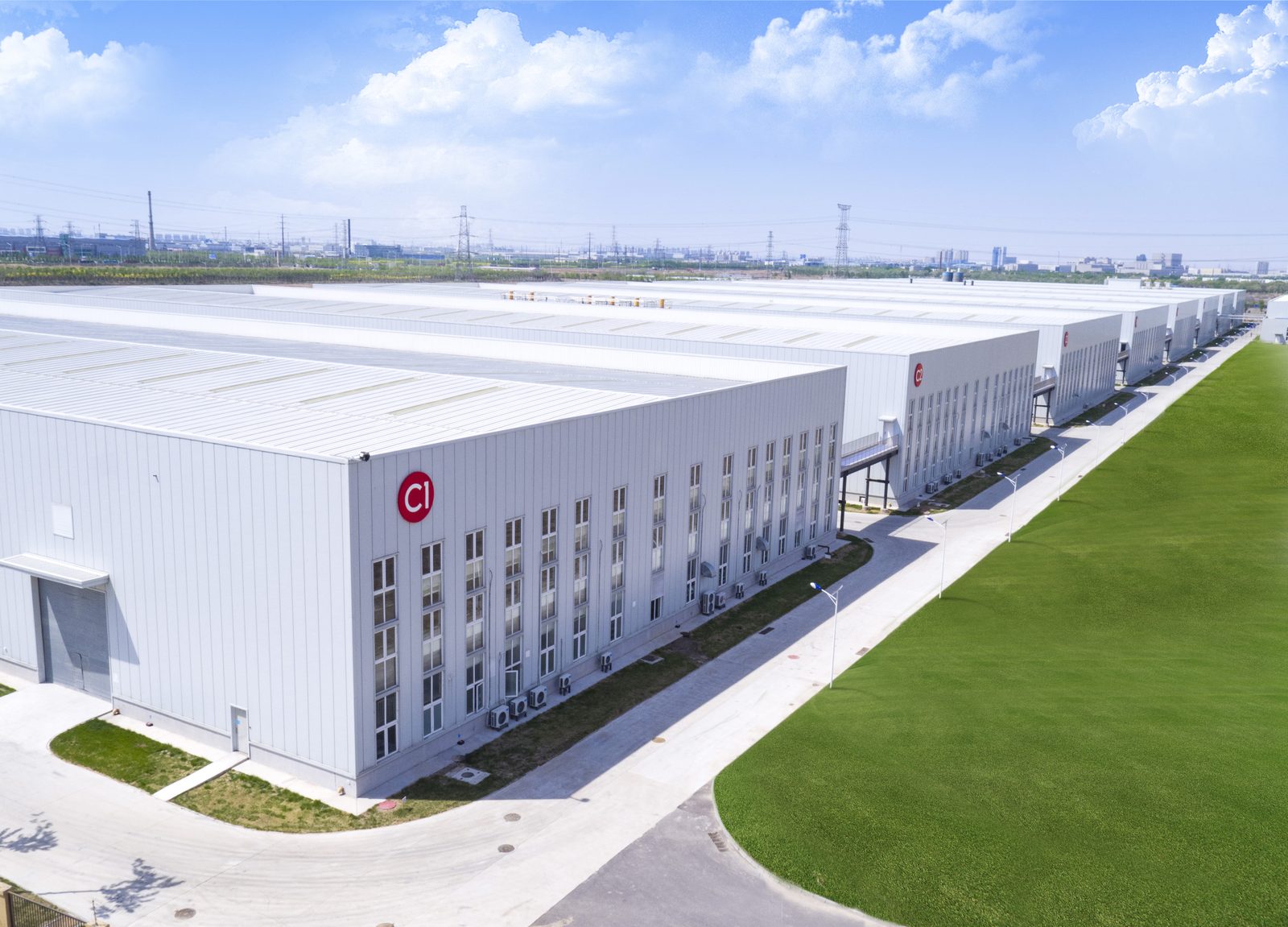
For scale, our group runs three bases in Tianjin, Jiangsu and Guangdong, eleven production lines in total — seven base board, two coating, one digital print, one composite wall panel — with more than 60 million m² of annual capacity. Behind them sits a CNAS-certified laboratory with 300-plus pieces of test equipment and 70-plus patents, and the forming and coating lines come from WEHRHAHN in Germany and CEFLA in Italy. Those are the inputs a brand is really buying: not the sheet, but the repeatability behind it.
Then ask the four questions that separate a trading office from a plant: which line will run my order; can I see the batch record for the samples you sent me; what is your AQL plan and who signs the certificate of analysis; how many retention samples do you keep and for how long. None of these require a factory visit, and the quality of the answers tells you most of what a visit would.
Artwork, Print Files and the Decorative Board Opportunity
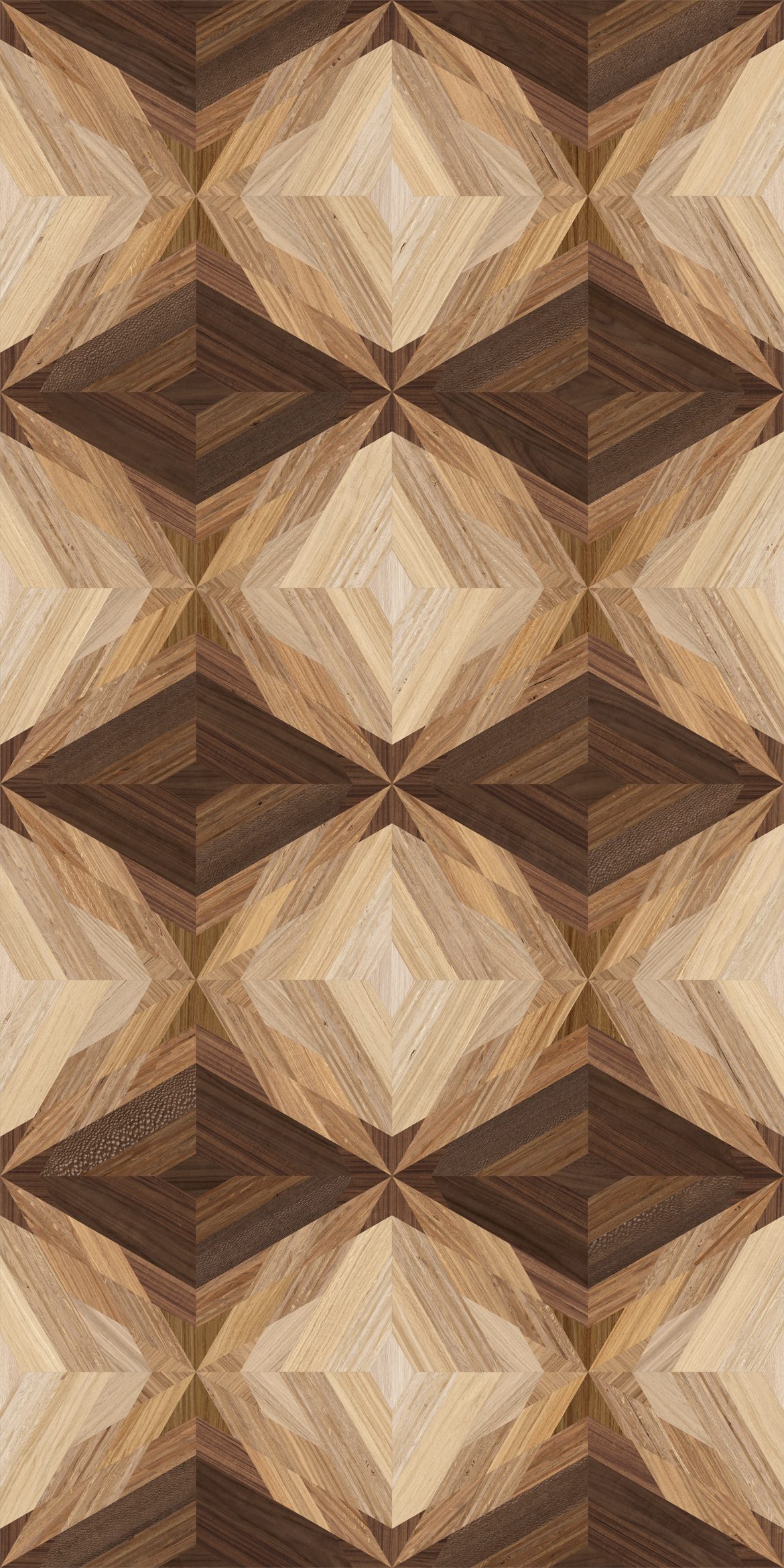
For most brands the differentiation is not in the core — it is on the face. A digitally printed decorative board lets a distributor sell a pattern that no competitor carries, which is a far stronger position than competing on a commodity sheet. The mechanics matter though: the print line has a maximum width, so artwork has to be set on the 1220 mm module with a trim allowance at each edge; the pattern repeat has to divide into 2440 mm or it jumps at every joint; and colour has to be approved as a physical proof under the light of the end use, not on a backlit screen. A private label decorative board lives or dies on those three details.
Two practical cautions. Batch-to-batch drift on a printed decorative board is a real risk, so specify the tolerance and keep a signed master sample with a date on it. And a print is not a texture: if the design depends on relief, it belongs to a carved cement board rather than a printed one. Our Gorgeous Board range is where stone and wood looks sit; the product range page explains how the three families divide.
Packaging and the Label Are Part of the Product
A board arrives on site inside your packaging, and that is the only marketing most sites ever see. Build the fiber cement board pallet for the way it will be handled: corner protection on all four edges, an edge board against strap damage, a moisture barrier under the wrap, and a pallet footprint agreed with the buyer's forklift rather than with the factory's yard. Ask for the loading plan in square metres per 40HQ for the pallet format you intend to use — it is the difference between a clean landed cost and a container that ships half empty.
The label is a compliance document as well as a brand asset. It should carry the product code, thickness, nominal density, batch number, production date, HS code 6811.82, country of origin and the brand's own contact route. Origin follows where the board was made; a private label changes the name on the sheet, not the country on the label. Get that right on the first pallet, because relabelling a container at destination is expensive and sometimes illegal.
What a Private Label Does Not Fix
- It does not create a fire rating. A1 belongs to the board; the hourly rating belongs to a tested assembly of board, frame, insulation and fixings — see the partition systems guide.
- It does not correct a thin specification. A 6 mm sheet on a driven-rain facade is the wrong product under any brand; the facade cladding guide sets out the build-up.
- It does not transfer liability. If your name is on the pallet, the recall, the site complaint and the replacement cost are yours.
- It does not remove the factory's role in a dispute. Keep the batch record and the retention sample; without them a claim becomes an argument about opinion.
- It does not make a heavy board light. If weight is the selling point, the density has to be right in the recipe — our 0.85 g/cm³ board is covered in the lightweight guide.
The Order of Operations
- Define the product, not the brochure. Thickness, density band, sheet size, edge, surface, and the application it must pass.
- Fix the document set first. Decide which market you are entering and which of the four documents it will ask for, before you design anything.
- Take the sample from the line. A showroom board proves the factory can make one good sheet; a production sample proves it can make yours repeatedly.
- Approve the artwork as a physical proof. Signed, dated, retained by both sides, with the tolerance written next to it.
- Approve the pallet, wrap and label on a real pallet. Not a PDF.
- Run a pilot batch and test it independently. One container-scale run, one third-party check, before the brand goes public.
- Then scale, with the batch records filed. A brand is a document trail as much as a logo.
Private label makes sense when
- You already sell into a channel and want the margin, not just the commission
- The product you need sits inside a standard spec, not outside it
- Your differentiation is the finish, the pattern or the service
- You can hold and file batch records, and you will answer a site complaint yourself
- You accept that the certificate stays with the plant
A private label is not a shortcut around manufacturing. It is a decision to own the customer relationship while someone else owns the line — and the brands that last are the ones honest about which half they bought.
Frequently Asked Questions
What is the difference between OEM and private label fiber cement board?
Private label puts your brand on a board the factory already makes: same recipe, same line, your name on the sheet and the wrap. OEM changes the product itself — thickness band, density, edge, surface or coating built to your specification — and normally needs sampling and a pilot run. ODM is the factory's own design sold under your brand.
Can a private label board carry its own CE certificate?
Not a new one. The Declaration of Performance names the legal manufacturer and the plant, and the EN 13501-1 report describes a tested product rather than a trade name. A brand can hold its own DoP only by becoming the legal manufacturer, which means owning the production and the factory production control behind it.
What can be customised on a white-label cement board?
Anything that changes the face or the packing: thickness within 4–25 mm, 1220 × 2440 mm or 1220 × 3050 mm sheets, edge profile, sanded or textured surface, factory coating, digital print, back marking, pallet format and printed wrap. Recipe changes are OEM work and need a pilot run before they are quoted as standard.
Does private label change the country of origin?
No. Origin follows where the board was made and must be marked. What the brand owns is the trade mark, the artwork, the packaging design and the customer relationship — so print the origin and the HS code 6811.82 correctly from the first pallet.
How do you verify the factory behind a private label brand?
Ask for the line your order will run on, the batch record behind the samples, the AQL plan and who signs the certificate of analysis. Check that the ISO certificates name that site, that the fire report matches your density and thickness, and that the plant has its own laboratory. Then take a production sample, not a showroom one.
The Bottom Line
An OEM fiber cement board brand is built in this order: a product defined inside the plant's real capability, a document set that matches the market, a face finish that customers cannot buy elsewhere, and packaging that survives a site. Get those right and the factory becomes an asset rather than a dependency. Get them wrong and you have bought inventory with your name on it. For the sourcing side of the same decision — how to compare mills, audit capacity and read a price — see the factory-direct sourcing guide and the board price guide. The board family itself is described on the Crystal Board overview, and the manufacturer profile sits on our company page.