Specifying a reliable fiber cement board supplier is no longer just a price exercise. As more architects, distributors, and contractors move away from wood-based and gypsum substrates, the question shifts from "can I find a board?" to "can I find a manufacturer I can trust at scale?" This guide walks through what a genuine factory-direct source looks like, which certifications actually matter, and how to de-risk your next order.
Why Source Fiber Cement Board Direct from a Manufacturer
Buying fiber cement board through layers of traders adds cost, lengthens lead times, and blurs accountability when a batch underperforms. Going direct to a factory gives you three concrete advantages:
- Traceable quality. You can tie every specification — density, flexural strength, fire class — back to the line that made it, with in-house QC rather than a reseller's word.
- One-stop wall panel range. A full-line manufacturer lets you consolidate base board, pre-coated board, decorative board, and high-performance board under a single quality system.
- Engineering support. Direct access to the technical team means system details (stud spacing, fire ratings, wet-area detailing) come from the people who tested them.
For distributors building a private-label or branded range, a factory-direct relationship also means co-development is possible — custom sizes, surface finishes, and certifications aligned to your target market.
What a Serious Fiber Cement Board Manufacturer Looks Like
A credible fiber cement board supplier is defined by production depth, not a glossy brochure. The markers worth checking:
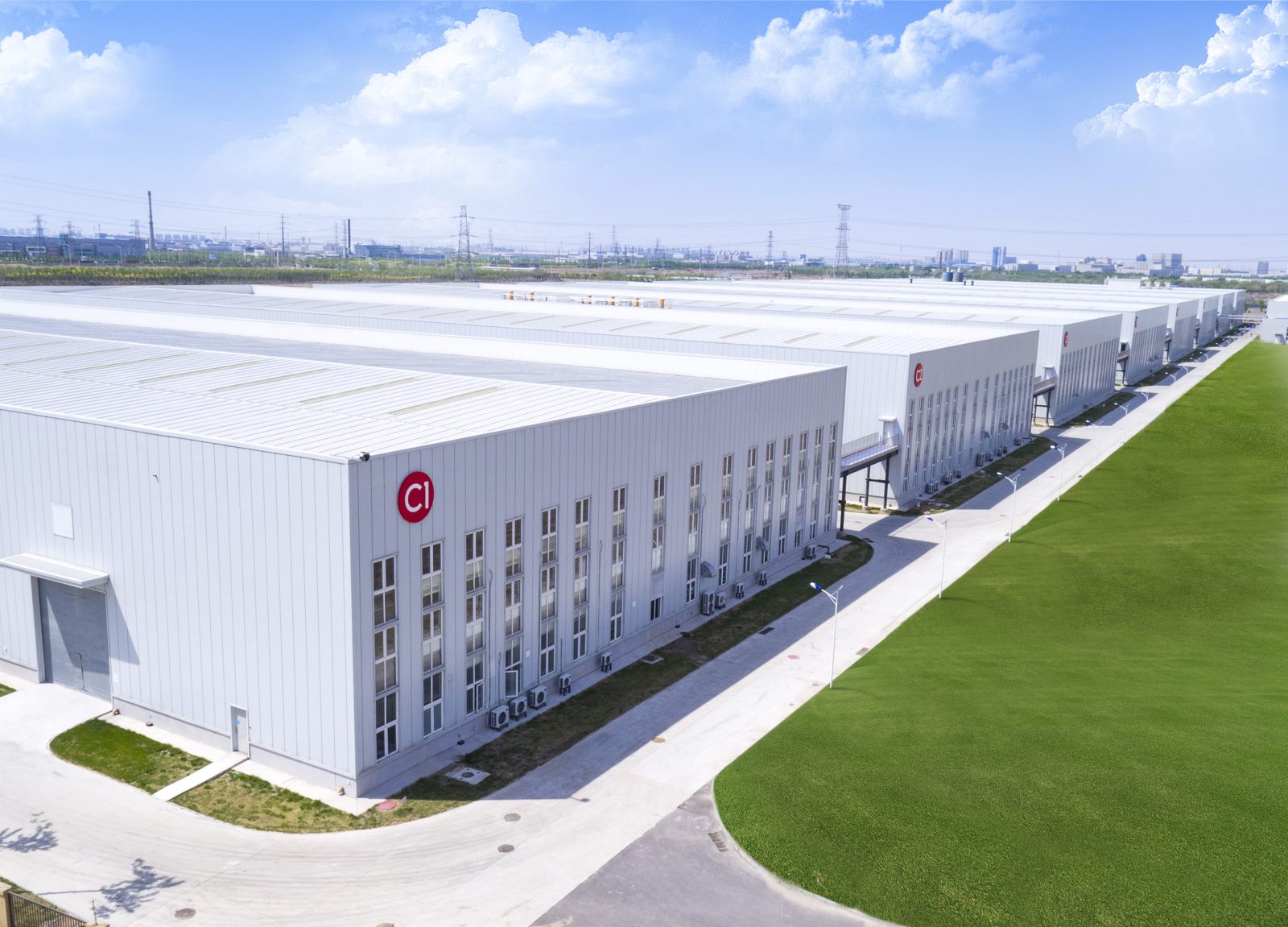
- Integrated production. Raw-material batching, forming, high-pressure pressing, and autoclave (steam) curing under one roof. Autoclave curing is what gives the board its stable, inorganic, dimensionally reliable character.
- Modern lines. Automated, high-tonnage board lines and controlled drying are the difference between consistent moisture content and warped, powdering sheets.
- Capacity to scale. Manufacturers with tens of millions of square meters of annual capacity can absorb large project orders without subcontracting to unknown mills.
- In-house testing. A real lab verifies flexural strength, screw holding, density, and fire performance before product leaves the plant.
When you watch a plant video or take a virtual tour, look for the curing autoclaves and the drying line — those are the capital-intensive assets that separate a manufacturer from a trading desk.
Certifications & Compliance to Verify
For an export-oriented fiber cement board supplier, certifications are the language of trust. Ask for the actual documents, not a homepage badge:
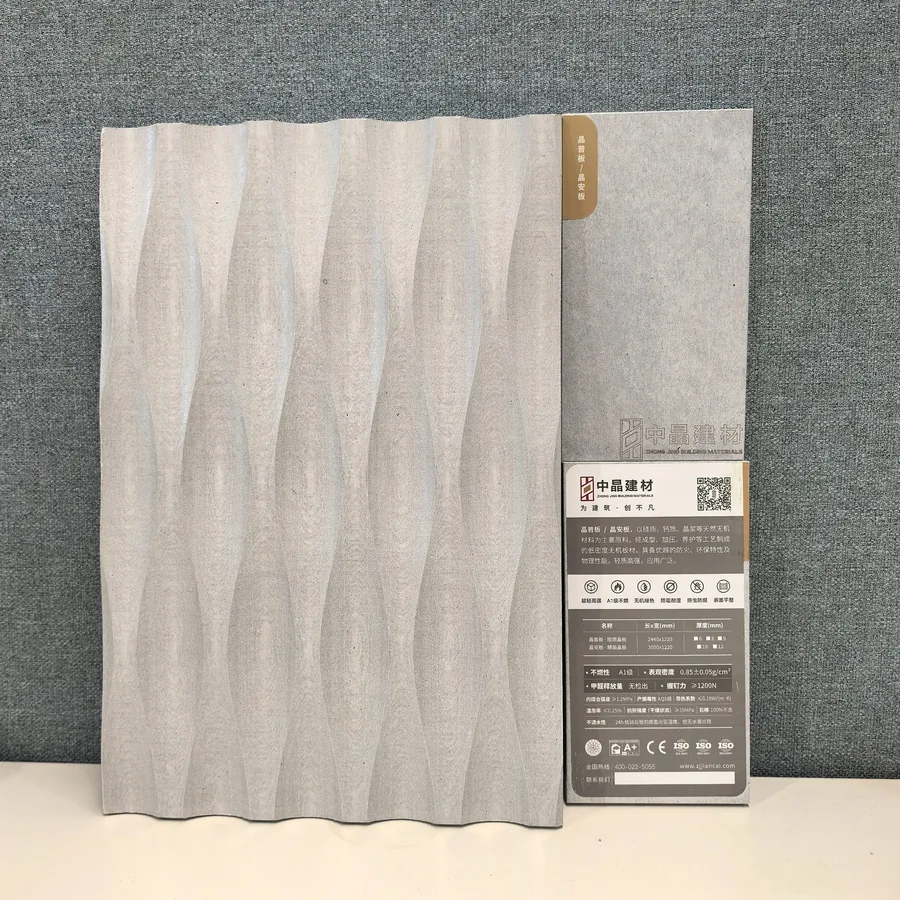
- Fire classification — A1 non-combustible. Under GB 8624, A1 means the board does not burn, melt, or drip at 1000°C, with AQ1 (safe) smoke toxicity. This is the single most important rating for facade, escape-route, and ceiling systems.
- CE marking. Required for the European Economic Area, supported by a Declaration of Performance (DoP) referencing the relevant EN standards.
- French A+. The top indoor-air emission class — relevant wherever air quality is regulated (schools, hospitals, residential).
- ENF-grade formaldehyde. Formaldehyde "not detected" (ENF) confirms a fully inorganic, low-emission board.
- Green-building credentials. Third-party eco-labels (e.g. China Environmental Label, Green Building Material grading) and REACH alignment for chemical safety round out a compliant package.
None of these should be taken on faith. A trustworthy supplier sends the lab reports and the DoP and is happy to have them checked.
The Wall Panel Range a Full-Line Supplier Should Offer
Consolidating with one fiber cement board supplier only pays off if the range covers your real project mix. A complete portfolio typically includes:
- Low-density base board. The workhorse — light (around 0.65–0.85 g/cm³), flat, and ready to finish. A single 0.85-density board can serve ceilings, partitions, and decorative substrates.
- UV pre-coated board. A factory-finished, paint-free wall panel that skips on-site painting and shortens schedules.
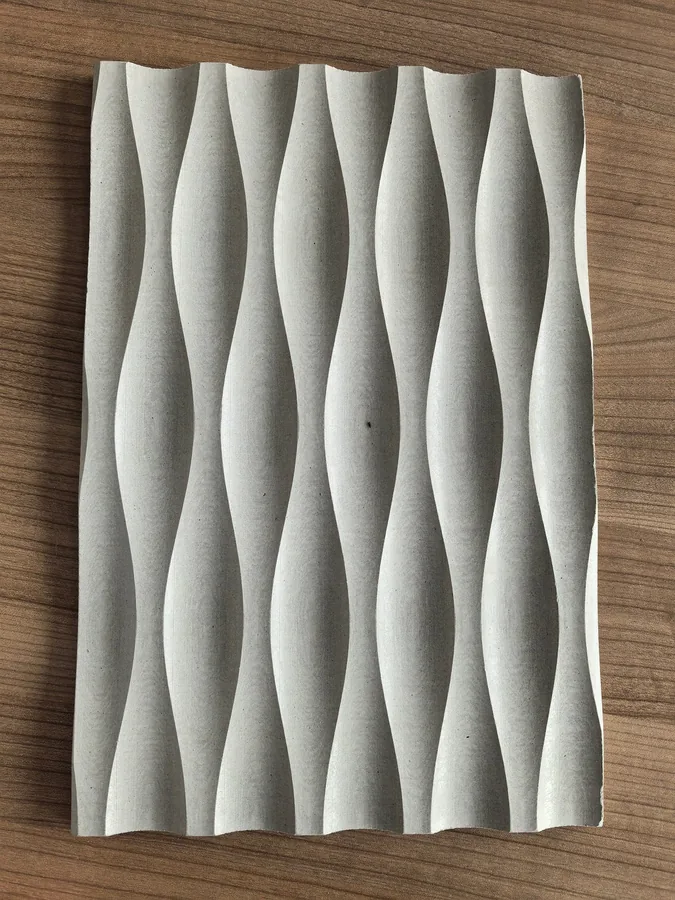
- Digital-print decorative board. Marble, wood, and stone effects printed onto the board — a decorative board alternative to veneer or tile for interiors.
- High-performance board. Dense, moisture- and impact-resistant grades for wet areas, exteriors, and fire-rated systems.
Offering both calcium silicate board and fiber cement board lets the same supplier serve humid, high-temperature, and standard interior zones from one quality system.
How to Evaluate a Fiber Cement Board Supplier
Use a short, practical checklist before you commit:
- Factory proof. Live video tour, capacity figures, and line descriptions you can verify.
- Document pack. DoP, CE, French A+, ENF, and third-party fire reports.
- Specification transparency. Published density spectrum, flexural strength (≥10 MPa), screw holding (≥1200 N), and wet expansion (≤0.25%).
- Reference projects. A long list of completed buildings — stadiums, airports, convention centers, and high-rise interiors — signals field-proven performance.
- Range breadth. Can they cover your whole wall panel need, or will you stitch together several traders?
- Communication. Clear technical replies, fast sample turnaround, and engineering drawings on request.
Common Sourcing Pitfalls to Avoid
- Confusing traders with manufacturers. If they cannot show the plant, you are paying a margin for someone else's risk.
- Chasing the lowest price per sheet. A board that swells, powders, or fails fire rating costs far more in rework, remediation, and delayed approvals.
- Ignoring the moisture story. A board that cannot survive a humid site will fail where it matters most — basements, balconies, and bathrooms.
- Skipping document verification. A certificate screenshot is not the same as a current, project-specific DoP.
See the Factory & the Company
A two-minute look at the plant and the company tells you more than a price sheet. Below is the corporate overview and a walk through the manufacturing base.
Frequently Asked Questions
What certifications should a fiber cement board supplier provide?
A qualified manufacturer should provide A1 non-combustible fire classification (GB 8624, AQ1 smoke toxicity), CE marking with a Declaration of Performance, French A+ indoor-air rating, ENF-grade formaldehyde (not detected), and third-party test reports. Always ask for the documents, not just a claim.
How can I verify a supplier is a genuine manufacturer?
Request a live factory video or virtual tour, confirm annual capacity and production lines (autoclave curing, automated board lines), check for in-house QC labs, and review the project reference list. A real manufacturer explains raw materials, density ranges, and the full thickness portfolio without hesitation.
What product range should a full-line supplier offer?
A complete wall panel portfolio: a low-density base board, a UV pre-coated board, a digital-print decorative board (marble/wood/stone effects), and a high-performance board for demanding zones. Breadth lets you consolidate sourcing with one factory.
What technical numbers should I check before ordering?
Confirm the density spectrum (commonly 0.65–0.85 g/cm³), flexural strength (≥10 MPa), screw holding (≥1200 N), wet expansion (≤0.25%), and 30-day immersion resistance. These decide whether the board fits wet areas, facades, or interior wall panel systems.
Is factory-direct fiber cement board right for my climate?
Yes for most markets. It is an inorganic, A1 non-combustible, mould-proof substrate that performs from humid coastal sites to cold regions (100 freeze-thaw cycles). Because it carries no organic nutrients, it resists mould in basements and bathrooms while staying dimensionally stable.
Conclusion
Choosing a fiber cement board supplier is really a choice about risk, consistency, and support. Verify the factory, verify the documents, and verify the range — then let performance, not the lowest sticker price, decide. A manufacturer that is transparent about A1 fire classification, ENF emissions, and real production capacity is the partner worth building a multi-year supply relationship with.